


The Big Picture |

- Banks Got Bailed Out … We Got Sold Out
- Catastrophic Success
- There’s No Reason to Own a Bank: 3 Reasons to Avoid
- Crisis Correlations (Big Picture Conference)
- James Bianco: Crisis Correlations
- 10 Tuesday PM Reads
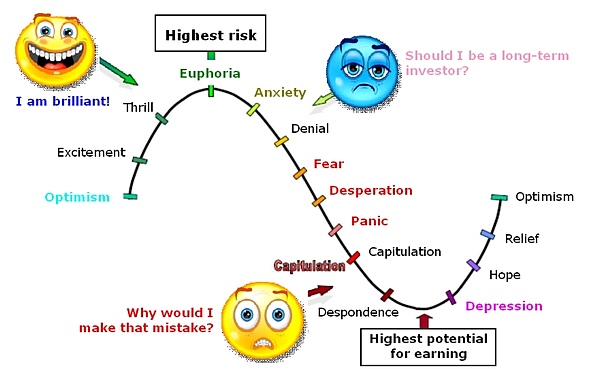
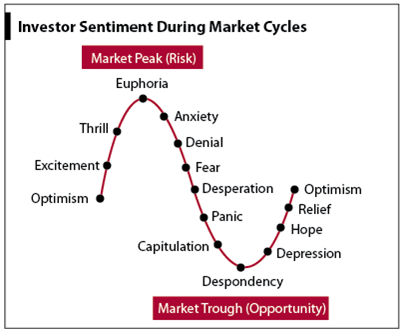
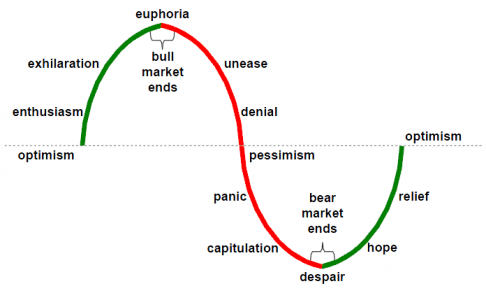
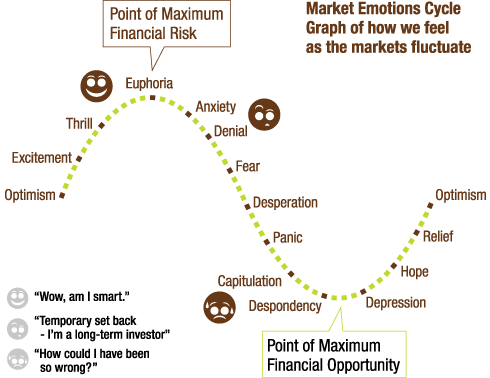
- Psy Cycle (Updated)
- Gold in Perspective
- Media Appearance: Bloomberg Surveillance Midday
- Measuring The Financial Sector
| Banks Got Bailed Out … We Got Sold Out Posted: 20 Dec 2011 10:30 PM PST Democrats: Here's How to Force President Obama to Debate Endless War, Indefinite Detention, SOPA and Other Assaults on Our Freedom, and the Out-of-Control Federal ReserveWe voted for Obama because we wanted change. We voted for Obama because he promised to end Bush's perpetual wars, clean up the mess which Bush's financial tzars made, and restore the freedom and liberty which Bush attacked. Instead, Obama:
As I pointed out in September, Americans overwhelmingly want:
As I pointed out in October:
And as I wrote last month, Obama was heckled by Occupy protesters for allowing police brutality and mass arrests of the peaceful protesters, and because:
Forget Partisan Politics: Demand a Real Debate
Forget what you've been taught … the mainstream Democrats and mainstream Republicans are virtually identical on all core matters. Obama, Gingrich, Romney and the whole sorry lot are for more war, for further crackdowns on our Constitutional liberties, and for giving the Federal Reserve all of the unchecked power that it wants. Don't fall for the old divide-and-conquer trick. Whatever you may think of Ron Paul, he has consistently championed three core American for three decades. Paul has consistently argued for the following three positions which Americans overwhelmingly favor:
None of the other Republican (or Democratic) candidates support these positions, the mainstream Republican party hates Paul (changing the rules of the game to try to keep him out), and the mainstream media has done everything it can to try to squelch debate on these issues. Unless Paul wins the nomination, the debate will involve a pro-war, anti-liberty, pro-Bernanke Republican versus Obama … in other words, a non-debate on the issues Americans care about. How to Guarantee a Real DebateEven if you intend to vote for Obama in 2012, you want him to have to answer debate questions on these issues … and you want the mainstream media to have to discuss them. How can you do this? Initially, Obama has the Democratic party nomination locked up. So Democratic primaries are not an issue. So register as a Republican for one-year only to – as Huffington Post notes – ensure that Ron Paul gets the GOP nomination. Even if you've never done so before and never will again (we all know how bad the mainstream Republican party has been!), register one time as a Republican to vote for Paul in the primaries. Why? If Paul gets the nomination, then he will debate President Obama in the election itself. Then 3 of the issues that are important to all of us – ending the stupid wars, restoring freedom on the Internet and in the real world, and reining in the out-of-control Fed – will finally be discussed. Whether or not you want President Obama to be re-elected, we all want him to be forced to answer tough questions about endless war, the ongoing drift towards a police state, and the unaccountable Fed. Helping Ron Paul get the GOP nomination is the way to do so. Click here for state-by-state instructions. Note: While many progressives and liberals like Ron Paul, this essay does not focus on actually trying to elect him, only to force a real debate of the issues so that President Obama has to address them. |
| Posted: 20 Dec 2011 07:00 PM PST Catastrophic Success ~~~ New readers to my musings often find it interesting, when they meet me in person, to find me quite an optimistic person, given the nature of my current predictions about the economy. And regarding the short term, defined as less than five years, my writing is admittedly less than sanguine. We do have some problems that are not easily dealt with. And even longer-term, those of a bearish natural disposition can find reasons a-plenty to tone it down. But five years (at least at my age) is not all that long. One way or another we will get through the current mess. My studies on the nature of progress in a number of fields give me a rather optimistic longer-term slant on life, and most especially in biotechnology. Long-time readers know of my interest in the potential for biotechnology to be completely transformational and disruptive (in a positive way) to society. It is one of the few places I am “long” and willing to get even more long. Today’s Outside the Box is from a source that is no stranger to my regular readers. Pat Cox called last week and told me about an amazing announcement that was made public last Friday, so we are almost “breaking news” here this week. BioTime (BTX) has announced the ability to detect most cancers with a simple blood test that detects markers. This holds the prospect that within a very few years we will all routinely get a blood test for cancer as part of our regular blood work, allowing for very early detection. And as Pat notes, cancer becomes far more treatable if detected early. As Pat and I talked, I asked him to give us an update on the BioTime story but also on the state of some of the really promising cancer cures. And let me note, these are but a few. There are literally dozens, if not hundreds, of real potential cures. We do live in remarkable times. Comments in the text below in brackets [ ] are mine. Pat is one of my favorite sources for new, transformational technology. We talk regularly and compare notes. Pat (like me) likes to look over the horizon and think about what is coming. The companies he writes about are typically early-stage research and development plays, in a variety of fields (not just biotech – last month he was writing about robotics!). You can subscribe to his letter by going to http://www.PatCoxLetter. Warning: his publisher likes rather aggressive marketing, but I just like his letter and research. Note: I have invested (for quite some time now) in some of the companies he mentions below or have associations with them that I note in the copy. And some I have no knowledge of.) I have not done any transactions in the last few months and will not do anything for at least two weeks. And do NOT chase these stocks. They are typically very small-cap with smaller volumes, and are research and development companies with no guarantees of success. Do your homework, and if you buy then do it for the long term. I do comment below on one private firm that some of you who sit on foundations and charities that focus on cancer and heath care might want to look into. Now let’s take a look at what Pat and I sincerely hope is the future. Your planning to live a lot longer than you think analyst, John Mauldin, Editor Catastrophic SuccessBy Pat Cox, Editor When the second stimulus bill passed in February, 2009, I explained to my readers that the “crowding out effect” would guarantee its failure. I took no pleasure in predicting accurately that increased government borrowing would crowd out private investment in innovation, from which flows economic and employment growth. I bring this up simply because I have extraordinarily good news regarding cancer therapeutics, and I don’t want you to assume that I am afflicted with blind optimism. For decades, in fact, I’ve been among the economists who have warned that our current distress was coming. As you know, we were ignored by the intelligentsia. As a result, the entirely avoidable mortgage and housing bubbles expanded and collapsed, which accelerated our even larger problem – the entitlements crisis. Political corruption and malfeasance were involved, we now know. I suspect, however, that the larger reason the warnings signs were ignored was essentially psychological. Most people avoid extremely unpleasant news until they no longer have a choice. This is particularly true with regards to the entitlement crisis because it involves perhaps the greatest unpleasantness of all. It is the reality that we are all facing the prospect of aging, serious illness, and death – in that order. The aging population, however, is the root cause of our financial problems. More than a third of the federal budget goes to transfer payments and services for people age 65 or older. Nevertheless, we’re behind on the payments and the bill is increasing as more and more people live longer. This is the result, primarily, of unexpected scientific breakthroughs that have dramatically expanded our medical options. Unfortunately, Social Security was designed in 1935, when fewer lived to see the retirement age of 65. Only a fringe of visionaries believed that new technologies would push life spans close to 80 by the end of the century. Nevertheless, it has happened. Retirement ages, though, have not adjusted, so Social Security is running on empty. Medicare may not have been designed to benefit the aged, but about half of all healthcare services are consumed by the five percent of the population that is dying. They are, it’s no wonder, almost all older people. These worsening fundamentals have not plateaued. The demographic pyramid, with large numbers of young payers and very few aged beneficiaries, is flipping. I’m sorry to be the bearer of bad news, but I hope at least to convince you that I’m not in denial about the problems we face. Therefore, I hope you’ll take me seriously when I say that very recent scientific breakthroughs are more than capable of solving our entitlement and debt crises.
The End of Cancer as a Deadly ThreatLast week, an announcement was made by BioTime Inc. that could quickly cut the cost of cancer in half, saving in excess of $100 billion annually. This breakthrough is not a cancer treatment. It is a revolutionary diagnostic technology. To understand why it is so important, we need to understand that cancer isn’t a single disease at all. The medical term is “malignant neoplasm,” which encompasses any condition of uncontrolled cell growth. There are hundreds if not thousands of different types of malignant neoplasms, and many have almost nothing in common with any of the others. This has made cancer diagnostics very inefficient, though it is a multi-billion-dollar industry. A test for prostate cancer, for example, won’t detect breast cancer. Even current breast cancer tests don’t detect all breast cancers. If all the existing diagnostics were used to test one individual for early-stage cancers, it would cost many tens of thousands of dollars – perhaps more. If all people were checked for all cancers on a regular basis using existing diagnostics, it would bankrupt our entire healthcare system. To make matters even worse, many diagnostics are notoriously inaccurate. Some miss as many as half of cancers but return extremely high false positives that have their own costs. False-positive PSA (prostate-specific antigen) tests, for example, generate unnecessary biopsies, surgery, impotence, incontinence, and other problems. Some diagnostic procedures, I might add, are also extremely unpleasant. As a result, most people are tested for cancers only when there is reason to believe they may have the disease. Most diagnostics are used, therefore, to gain information about existing and problematic cancers, not to detect them before they become a problem. As a result, many cancers are not found until they are sadly well-established and aggressive. It is an oft-repeated truism in oncology that early detection translates into far more successful treatment. Early detection also dramatically reduces the costs of therapy. What we need, obviously, is a simple blood test that would, with high accuracy, find cancers in their early stages. Combined with revolutionary new cancer therapies that are just around the corner, we would see the end of most catastrophic cancers. Even with existing therapies, the impact on lives and healthcare budgets would be enormous. Moore’s Law, Bioinformatics, and GenomicsOver the last few years, I’ve written often about BioTime’s ACTCellerate program, one of the most important projects in contemporary science. Dr. Michael West and BioTime scientists are decoding and cataloging the genetic changes that occur in human cells as they progress from their original embryonic state. To accomplish this monumental task, BioTime scientists rely on large-scale genomic analysis and bioinformatic analysis of the data, using increasingly powerful computers. Thus far, BioTime scientists have mapped over 40,000 gene sequences expressed in different cell types. This information will allow BioTime to turn a few of your blood cells into induced pluripotent cells, and then into any type of cell you need. Those cells will be completely rejuvenated and functionally young. Already, BioTime’s ReCyte Group is on track to reverse age-related cardiovascular and immune-system conditions. However, the knowledge and tools that the company has created have far more uses than hacking cellular codes. BioTime used the same tools to examine hundreds of adult cell types, both normal and cancerous. In the process, they discovered that many genes being activated in cancers had never before been associated with malignant neoplasms. Genes express proteins that can be easily detected. (A simple consumer version of a protein detector, by the way, is the home pregnancy test.) And having identified the genes activated by the most-common cancers, it was a relatively simple process for BioTime to design a blood test for the proteins expressed by those genes. This is off-the-shelf technology. Many medical device companies manufacture diagnostic devices that identify proteins in blood. But early in-house tests found that BioTime’s prototype was more accurate in terms of identifying cancer-free individuals than is commonly observed in PSA cancer tests. This discovery convinced the company to prioritize development of the technology. BioTime’s commercial cancer-detection device will probably be priced no higher than existing diagnostics that test for only one type of cancer. I expect the device will detect a wide range of cancer types, including cancers of the breast, lung, bladder, uterus, stomach, and colon, as well as others. My guess, looking at wholesale prices for similar laboratory devices, is that the cost in materials for testing an individual for a broad spectrum of the most-common cancers will eventually be no more than $15. It is impossible to predict the size of the market for a simple broad-spectrum cancer detection test, because no such diagnostic exists; but the potential is huge. [The test itself should retail for about $100 in the beginning (with the price falling over time), giving the company extremely healthy margins. Which means they can do even more research. BioTime CEO Mike West is one of the most driven men I know, but he is also a genuinely nice guy and soft-spoken gentleman, not given to hyperbole.] The von Eschenbach ConnectionThis is a true disruptive technology and its impact will be noticeable both in terms of average life expectancy and healthcare costs. The announcement explains why, several months ago, Andrew von Eschenbach, Ph.D., joined the board of BioTime. I’ve long considered BioTime the leader in the field of regenerative medicine. I was nevertheless puzzled when von Eschenbach joined the team. His resumŽ includes former jobs such as commissioner of the FDA during George W. Bush’s term and director of the National Cancer Institute. He is considered by many to be the leader in the fight against cancer. In 2003, when he was director of the National Cancer Institute, von Eschenbach announced his goal of eliminating suffering and death due to cancer by 2015. His motive for working with BioTime is now obvious. I’ve spoken to him since then, and he’s confirmed that he believes the BioTime pan-cancer diagnostic will have an enormous impact as soon as it is widely implemented. Moreover, he believes subsequent applications of the technology have the potential to deliver true personalized medicine with extremely effective therapies specifically tailored for individual patients. Von Eschenbach’s goal of reducing cancer to an irritation rather than a killer is achievable – even if his time frame was off. It might not be that inaccurate, however, as BioTime has chosen to go first for European approval of the CE marking process . As approval of devices in Europe is much faster than it is the US, we could see the test on the market there before the end of 2014. Many countries outside of Europe take their lead from the EU, so it should move rapidly into Canada and other markets. With post-market data from these nations, I would expect that approval in the US would take as little as one additional year. Then, because early detection of the most common cancers would be simple and inexpensive, insurance companies would find it in their own financial interest to encourage routine PanC-Dx testing, as BioTime is calling their technology. Because physicians are already familiar with this type of testing, market penetration will not require overcoming a learning curve. Cancer rates and costs will begin to fall dramatically. That, however, is only the beginning of the story. Simultaneously, a raft of next-generation cancer therapies will be coming to market. Though I’ve already tested your attention span, I’d really like to give you just a brief overview of some of the most exciting new drugs coming to oncology. These are drugs so far beyond anything you’ve seen yet, they make current treatments seem medieval by comparison. [John here. I talked with BioTime's Mike West last week, and he is very charged up about the cancer tests. But then we talked at length about the challenges facing his regenerative medicine work. He is still optimistic, and progress is being made. The regen work is my interest and why I own a small number of shares. I also agree with Pat about the inclusion of Andy von Eschenbach, whom I have met several times and really like. He is a very impressive and focused researcher.] Bexion TherapeuticsBexion, while still private, has attracted enormous attention where it matters. Their drug consists of a nanotech joining of two naturally occurring substances found in human cells. Together, they have the ability to exploit one of the few characteristics that all cancer cell share, the transfer of phosphatidylserines to cell wall exteriors to fend off immune response. When the Bexion drug is administered, these nano-probes seek out phosphatidylserines and collect on the surface of cancer cells. There they trigger natural cell suicide, or apoptosis. Cancers die but healthy cells are unharmed. Bexion’s drug has been shown effective in preclinical tests against an extraordinary range of cancers. Moreover, its seek-and-destroy mechanism could make it an ideal diagnostic tool for use in conjunction with BioTime’s broad-spectrum blood test. Because a marker can be attached to the Bexion drug, it is possible to light up cancers using scanning technology, giving doctors a 3D view of neoplasms. Most remarkably, in animals testing, Bexion’s drug appears to somehow bypass the blood-brain barrier. This makes it a most promising candidate for treatment of brain cancers, which are among the most lethal of cancer types. Clinical tests are expected to begin in 2012. [There is a long story here, but I found this company through Pat as I was trying to help a friend find a possible cure for his young son's glioma (brain tumor). It was too early for human trials, but we became enamored with the technology and helped raise a small round of funds for the firm, including my own funds. I encourage you to go to http://www.bexionpharma.com/ and look around, click on the technology link, and see how the animal studies have progressed and why I am so excited about Bexion. Look at their boards and research. If you sit on the board of a foundation or charity that works with cancer-related issues, I urge you to take a deeper look, as each cancer must have its own trials, and the sooner we get started the sooner a cure can be approved. I am hopeful, and I think if you take an in-depth look you may share my optimism. You can contact the company from their website.] Provectus PharmaceuticalsRose Bengal is an amazing molecule first used in the 1800s as a wool dye. Then it was employed as a diagnostic marker due to its unique ability to penetrate diseased or damaged cells but not healthy cells. In World War II it was used widely and successfully to protect soldiers from malaria, though it was never popular because it turned the whites of users’ eyes blue. In post-war Japan it was used as a food dye, and researchers discovered that humans and animals that consumed the most had the lowest cancer rates. Fast-forward to the Oak Ridge National Laboratory, where scientists were fascinated by the molecule’s remarkable electronic characteristics, as well as its ability to absorb and convert light and other low-level radiation. Extensive “compassionate usage” of a modified Rose Bengal molecule has shown remarkable efficacy in the treatment of metastatic melanoma. Phase II human clinical tests for liver cancer have been completed, with spectacular results. Preclinical indications show similar promise for other organs. Like Bexion’s drug, these modified Rose Bengal molecules are dangerous only to cancer cells. I could go on. Inovio PharmaceuticalsInovio is a leader in DNA vaccines. Using an extremely small electrical pulse, the company puts engineered DNA plasmids into cells. These circular rings of DNA utilize the body’s own genetic mechanisms to manufacture RNA proteins that train and mobilize the immune system to attack various diseases, including cancers. Inovio is in Phase II human tests for both leukemia and cervical displasia. Positive results in HIV and hepatitis-C show the adaptability of this technology for treatment of a wide range of diseases. Galectin TherapeuticsBuilding on the work of one of the greatest Russian scientists of all time, Alexander Oparin, Galectin Therapeutics is the leader in an entirely new field of science known as glycoscience, which involves the use of complex carbohydrates – essentially foods – as drugs. One of the deadly characteristics of cancer tumors is their ability to protect themselves by producing proteins that bind with sugars. These are galectin-3s, and tumors use them to create a lethal cloaking field that allows them to hide from our immune systems. T cells have evolved to attack disease and pass information back to the thymus so specifically targeted T cells can be manufactured in large numbers. However, when T cells encounter a cancer’s lethal galectin net, they are shut down and eventually die. Galectin Therapeutics’ naturally occurring plant sugars have the nearly unbelievable ability to protect and resurrect dying T cells. This makes their nontoxic carbohydrate drug, on its own, effective against cancers in general. In conjunction with cancer vaccines or drugs, however, it magnifies the effectiveness of the therapy to a quite astonishing degree. Currently, the esteemed Ludwig Institute for Cancer Research, the largest international nonprofit dedicated to conquering cancer, is funding Phase I/II clinical tests of a Galectin Therapeutics carbohydrate drug in conjunction with a melanoma vaccine. Oh, and by the way, this drug also appears to reverse the fibrosis that causes cirrhosis of the liver and subsequent liver cancers. [I am on the board of directors of Galectin (GALT) and have a small position, which I have announced I intend to add to.] In ConclusionJohn Mauldin recently published a letter here that included the term catastrophic success. The banishment of lethal cancers provides us with an example. It will lengthen lives, reduce healthcare costs, and enrich investors. If, however, we do not come to grips with dramatically extended health spans, it could make our entitlement crisis far worse and eventually lead to complete national collapse. As a society, we failed to heed the clear warnings regarding Fannie Mae, Freddie Mac, and the mortgage and housing bubbles. Many of our so-called intellectuals are still pretending it didn’t happen. Similarly, they are behaving as if the entitlement crisis is not serious. Imminent cancer diagnostics and therapies, as well as breakthroughs in heart disease, Alzheimer’s, liver disease, and more will give us the ability to grow our way out of the current financial mess. All we’ve got to do is stop pretending that a retirement age set in the 1930s makes an ounce of sense today. Productive life spans will continue to lengthen and the costs of dying will be pushed back significantly. This will give us a window of opportunity to balance our budget. Then, regenerative medicine will really kick in, growing life spans even more rapidly. These disruptive innovations will change everything. If exploited wisely, they will enable a period of unprecedented prosperity. If they are used to fund political fantasies, though, things will get much worse. Source: JohnMauldin.com (http://s.tt/14Wr5) |
| There’s No Reason to Own a Bank: 3 Reasons to Avoid Posted: 20 Dec 2011 06:00 PM PST "There's No Reason to Own a Bank": Barry Ritholtz's 3 Reasons to Avoid Today's Hot Sector Source: Yahoo Finance |
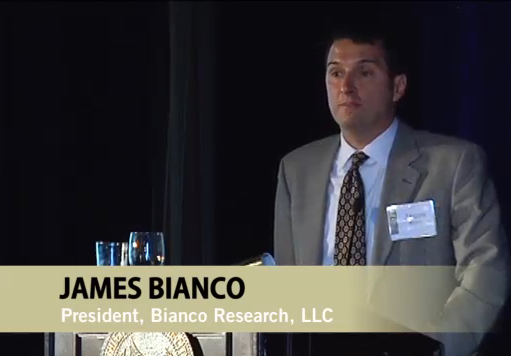
| Crisis Correlations (Big Picture Conference) Posted: 20 Dec 2011 04:15 PM PST All of The Big Picture Conference videos are now available on Fora.tv
Watch all of the Big Picture Conference for $39.95 or choose just the speakers you want to see on FORA.tv |
| James Bianco: Crisis Correlations Posted: 20 Dec 2011 04:15 PM PST |
| Posted: 20 Dec 2011 01:30 PM PST My afternoon train reading:
What are you reading? |
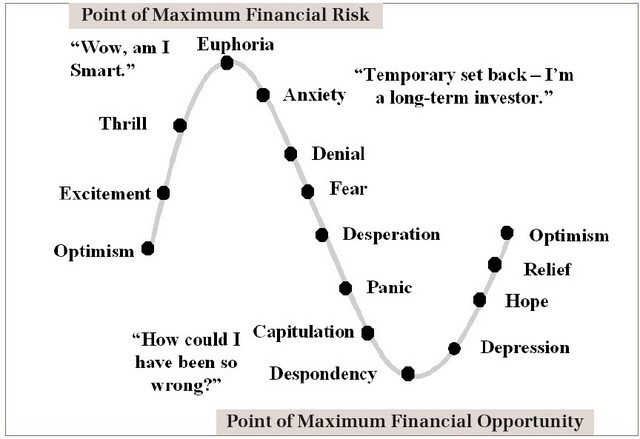
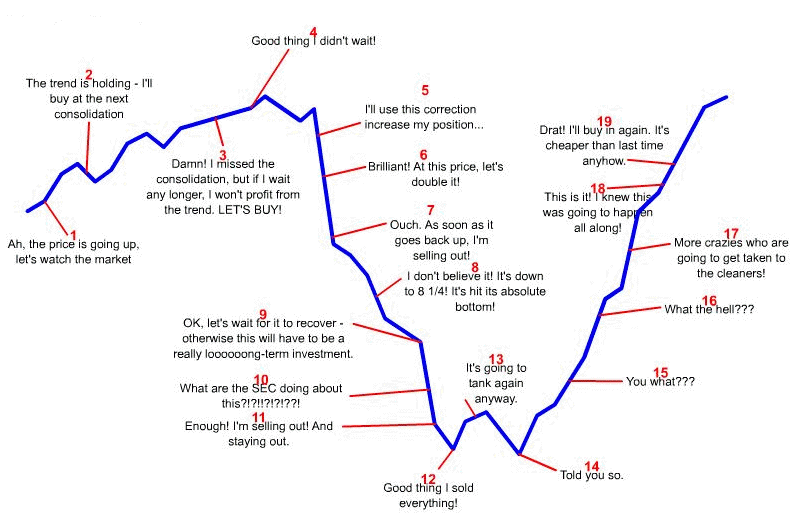
| Posted: 20 Dec 2011 11:30 AM PST Our favorite collection of sentiment cycle charts — updated . . .
>
~~~
~~~
~~~
~~~
~~~
~~~
~~~
|
| Posted: 20 Dec 2011 10:00 AM PST As gold futures have declined 20% from their peak in September to their low this month, we thought we would reiterate some quick (albeit widely misunderstood) points that justify increasing our concentration of physical:
Conclusion: It seems highly likely that from both capital stock (money stock vs. gold stock) and capital flow (real interest rate) perspectives, the future growth rate of global paper currencies will continue to exceed gold production by a wide margin, which implies the price in paper currency terms of physical gold should continue to rise substantially. Any sell-off in gold futures or other derivative claims serve the physical gold buyer's interest and the interest of investors in shares of gold miners looking to accumulate in-ground physical gold. Lee & Paul
——————– ¹It is not necessarily true that price indexes like the Consumer Price Index accurately capture the loss of purchasing power, commonly referred to as inflation. The CPI calculates the price changes of components within a basket of goods and services. The components of the basket are subjectively weighted and periodically substituted, and are further subjected to hedonic adjustments (which seek to account for quality changes such as rising computing power). While the US CPI may accurately capture the loss of purchasing power for American wage earners living paycheck to paycheck, it does not capture the loss of purchasing power for savers or investors seeking to buy homes, travel abroad or send their children to college, nor for businesses seeking to delay capital spending, pay future wages or exchange goods or services for foreign currencies, nor for institutional investors managing employee retirement funds. The US CPI seeks to narrowly capture US dollar denominated price adjustments of basic goods and services for US dollar denominated wage earners spending their US dollars in the US, period. Meanwhile, the United States imports the majority of the goods that American consumers buy with US dollars. This implies that the loss of purchasing power of dollar-denominated wage earners, savers and investors is largely determined by the exchange value of US dollars against other currencies. Exchange values fluctuate because producers and manufacturers demand constant value for their goods and services regardless of the nominal prices of their output. For example, if crude oil producers in the Middle East or toy manufacturers in Asia believe US dollars will hold more future purchasing power than Euros, then they would rather exchange their goods for US dollars. Another major shortcoming of "inflation indexes" like the CPI is that they do not capture the impact of necessary future money printing needed to service and pay down already existing debt. Such future money printing necessarily diminishes the purchasing power of savers and investors directly because it forces providers of goods, services, assets and labor to demand more currency in exchange (i.e. higher prices). The wider the gap separating the supply of existing debt from the supply of existing base money, the more future inflation (money creation) there must be. So, price baskets are simply very narrow measures of contemporaneous price changes. Finally, ShadowStats.com calculates its SGS-alternate 1990 based US CPI-U data series to be over 11% presently. Source: |
| Media Appearance: Bloomberg Surveillance Midday Posted: 20 Dec 2011 09:15 AM PST
> I am off to go chat with Bloomberg's Tom Keene at 12:30pm — watch it live on BBTV or stream it on the web. We will discuss this rally, housing data, andperhaps MFG. |
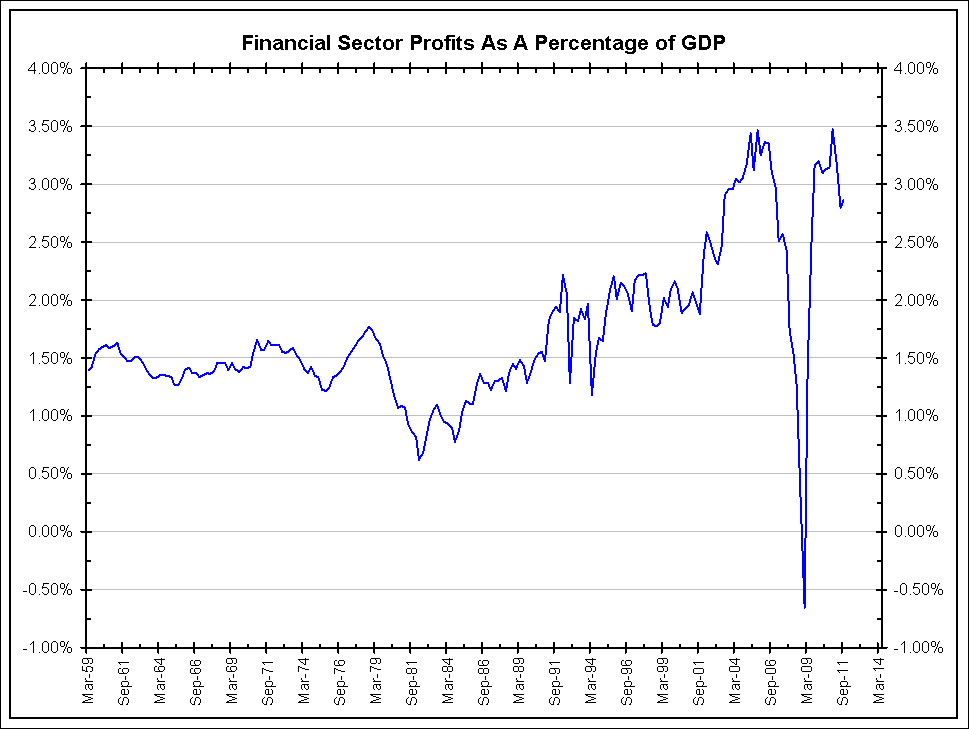
| Measuring The Financial Sector Posted: 20 Dec 2011 08:30 AM PST Real Time Economics (WSJ Blog) – Number of the Week: Finance's Share of Economy Continues to Grow 8.4%: The financial sector's share of gross domestic product. Given everything that's happened, surely the financial sector's role in the economy is smaller now than it was before the recession hit, right? Wrong. Combined, finance and insurance firms accounted for 8.4% of U.S. gross domestic product last year, according to the Commerce Department, eclipsing the peak it hit in 2006. In 1950, the financial sector accounted for just 2.8% of GDP…New research by New York University economist Thomas Philippon suggests that the financial sector is enormously outsized. He finds that, despite all the advances in information technology since the 1980s, the financial sector has become steadily less efficient: All that it has been gained from increased computing power and vast communications networks has been taken away, and then some, "by increases in trading activities whose social value is difficult to assess." The upshot, says Mr. Philippon, is that finance's share of GDP really ought to be about two percentage points lower than it is now. The industry's travails may be far from over. Comment Below are a couple of our favorite charts that help put the financial sector into perspective. Click to enlarge: 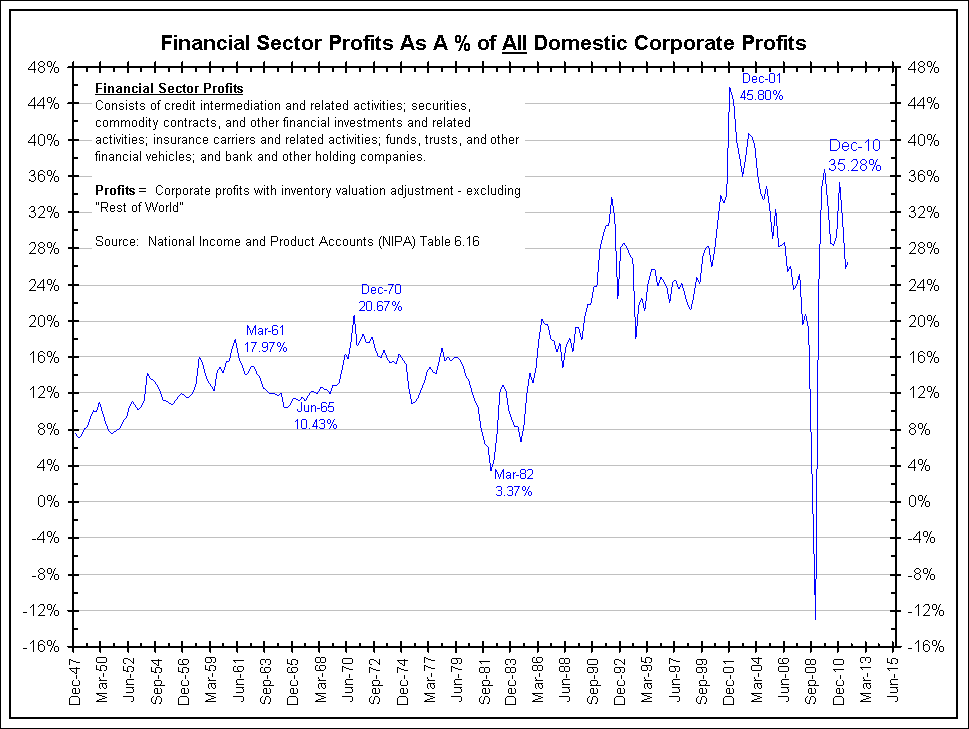 ˜˜˜ Source: Arbor Research |



| You are subscribed to email updates from The Big Picture To stop receiving these emails, you may unsubscribe now. | Email delivery powered by Google |
| Google Inc., 20 West Kinzie, Chicago IL USA 60610 | |



1 comments:
Forex brokers use their knowledge of trading strong to analyze the best market indicators and trading methods.
Day Trading System
Post a Comment