


The Big Picture |

- FDIC Bank Failures
- Open Source at NASA
- James Grant: Consuelo Mack WealthTrack Interview
- Trulia Report: Mapping Home Price Reductions
- Generation M2: Media in the Lives of Kids
- Terje Sørgjerd: The Mountain
- Balancing the Budget w/o Spending Cuts or Tax Increases
- Senate Report on Financial Crisis: Video Issue
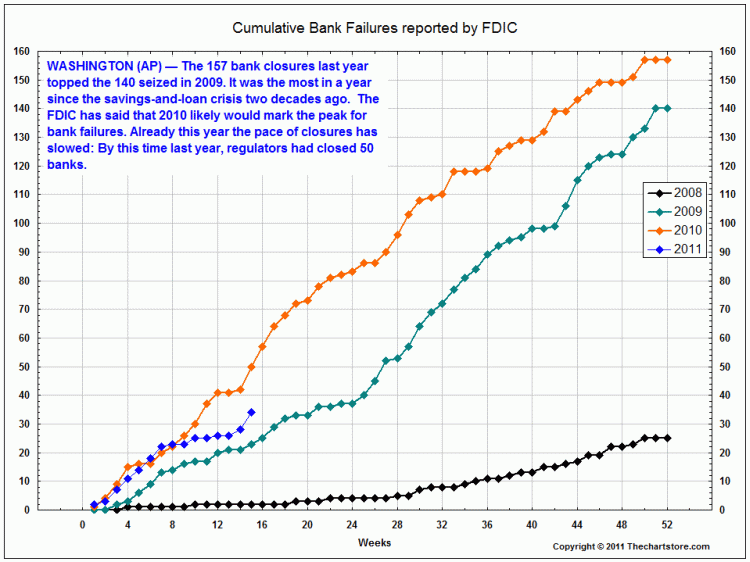
| Posted: 17 Apr 2011 03:00 PM PDT Bank Failures reported weekly by FDIC since mid-2008.
~~~ Cumulative Bank Failures reported weekly by FDIC for 2008, 2009, 2010 and 2011.
|
| Posted: 17 Apr 2011 12:00 PM PDT Interesting: |
| James Grant: Consuelo Mack WealthTrack Interview Posted: 17 Apr 2011 09:30 AM PDT Financial Thought Leader James Grant explains why he believes the Federal Reserve’s easy money policies will wreak havoc on the economy and markets. The dangers of inflation creep and how to protect yourself against it are the focus of this week’s Consuelo Mack WealthTrack. |
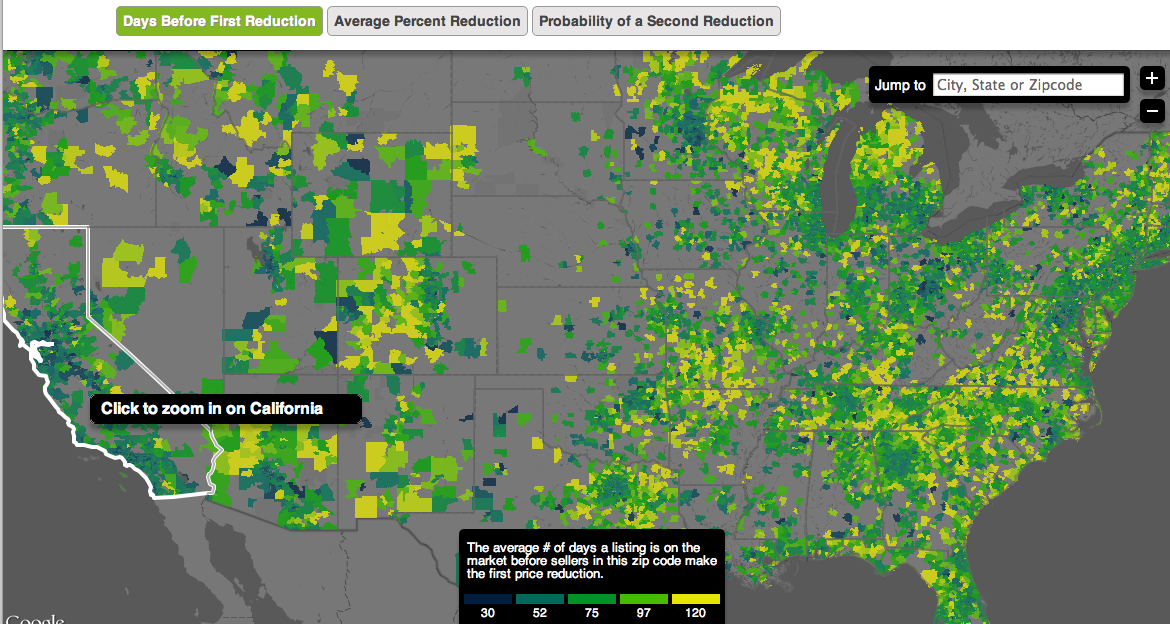
| Trulia Report: Mapping Home Price Reductions Posted: 17 Apr 2011 09:00 AM PDT Trulia’s Home Offer Report is a a remarkable map — it shows the result of negotiation between homebuyers and sellers. The reveal shows how strong or weak the real-estate market is in every zip code of the country. The three key metrics:
Fascinating stuff that was not even possible just a few years ago: > Hat tip Fast Code Design |
| Generation M2: Media in the Lives of Kids Posted: 17 Apr 2011 05:30 AM PDT A national survey by the Kaiser Family Foundation found that with technology allowing nearly 24-hour media access as children and teens go about their daily lives, the amount of time young people spend with entertainment media has risen dramatically, especially among minority youth. Today, 8-18 year-olds devote an average of 7 hours and 38 minutes (7:38) to using entertainment media across a typical day (more than 53 hours a week). And because they spend so much of that time ‘media multitasking’ (using more than one medium at a time), they actually manage to pack a total of 10 hours and 45 minutes (10:45) worth of media content into those 7½ hours. Generation M2: Media in the Lives of 8- to 18-Year-Olds is the third in a series of large-scale, nationally representative surveys by the Foundation about young people’s media use. It includes data from all three waves of the study (1999, 2004, and 2009), and is among the largest and most comprehensive publicly available sources of information about media use among American youth. |
| Posted: 17 Apr 2011 05:30 AM PDT Absolutely amazing (see TSO Photography) :
The Mountain from Terje Sorgjerd on Vimeo. Hat tip boingboing |
| Balancing the Budget w/o Spending Cuts or Tax Increases Posted: 17 Apr 2011 04:18 AM PDT Bruce Bartlett points out that Americans want a balanced budget, so long as it does not require cutting entitlement programs or raising taxes. If that sounds, well absurd, it reflects the lack of willingness of voters/taxpayers to engage in any shared sacrifice. This does not bode well for the future of fiscal prudence. Consider these recent polling results:
Bruce has posted a full run of polls, and their surprising conclusions, at The Fiscal Times. Source: |
| Senate Report on Financial Crisis: Video Issue Posted: 17 Apr 2011 04:00 AM PDT The Senate Committee Homeland Security & Governmental Affairs report | Permanent Investigations (C/Span): Senator Carl Levin(D-MI) and Senator Tom Coburn (R-OK) spoke to reporters and answered questions about a report on the causes of the 2008 financial crisis and recommend additional changes to financial laws. Among the findings, the report alleged fraudulent mortgage practices at the defunct Washington Mutual Bank, as well as failure to act by federal bank regulators despite their documented knowledge of severe problem at the bank. It also alleged conflicts of interest at credit rating agencies, and claimed Goldman Sachs profited greatly by betting against financial products they sold to clients. Hat tip Mark H |

| You are subscribed to email updates from The Big Picture To stop receiving these emails, you may unsubscribe now. | Email delivery powered by Google |
| Google Inc., 20 West Kinzie, Chicago IL USA 60610 | |
 The Big Picture (ritholtz)


0 comments:
Post a Comment