


The Big Picture |

- Mortgage Putbacks vs “Stability”
- 10 Monday PM Reads
- Falling Incomes, High Unemployment, Rising Taxes and Tight Credit = Housing Recovery?
- 10 Monday AM Reads
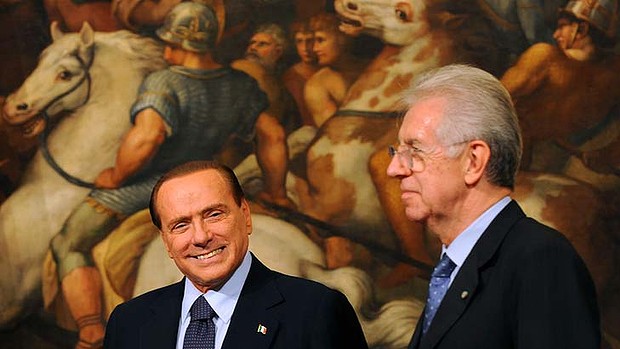
- Monti to resign as Italian PM
- Political dysfunction in Italy is common/China/DC
- The Arithmetic of Equities
- Strandbeesten: Wind Walking BioMechanics
- Defining Risk Versus Uncertainty
- Apple’s Tim Cook Reimagines Television
- Chart Gazing
| Mortgage Putbacks vs “Stability” Posted: 10 Dec 2012 05:34 PM PST Every time I bump into a colleague who worked with Tim Geithner during the crisis, we always seem to get into a good natured argument over the bailouts. He insisted that what was done HAD to be done for stability’s sake; I insist that there were other better options to take — but even if you were going to bailout the banks, it could have been done on much more advantageous terms for the taxpayers (read: less generous to the banks). A haircut for bond holders, some more dilution to equity holders, and no reason to create as much moral hazard as was effected by the generous giveaways. But that was way back in 2008. The system is arguably stable now. Which makes the latest bank snafu — mortgage putbacks from the likes of MBIA, FNM & FRE and other players — quite fascinating. Here is the NYT:
With the system no longer in crisis, we will soon see which of the corporate toadies will be arguing for yet another generous deal with the bankers, all in the name of stability . . . |
| Posted: 10 Dec 2012 01:30 PM PST My afternoon train reads:
What are you reading?
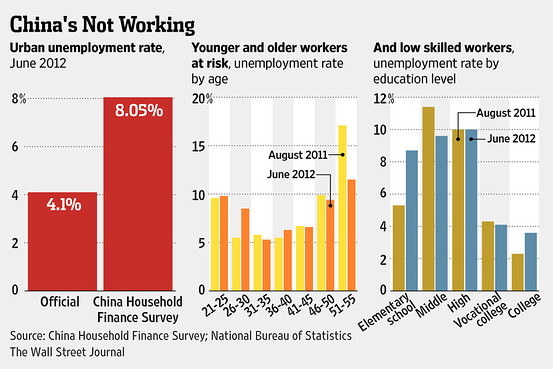
Charting Chinese Unemployment, Inequality |
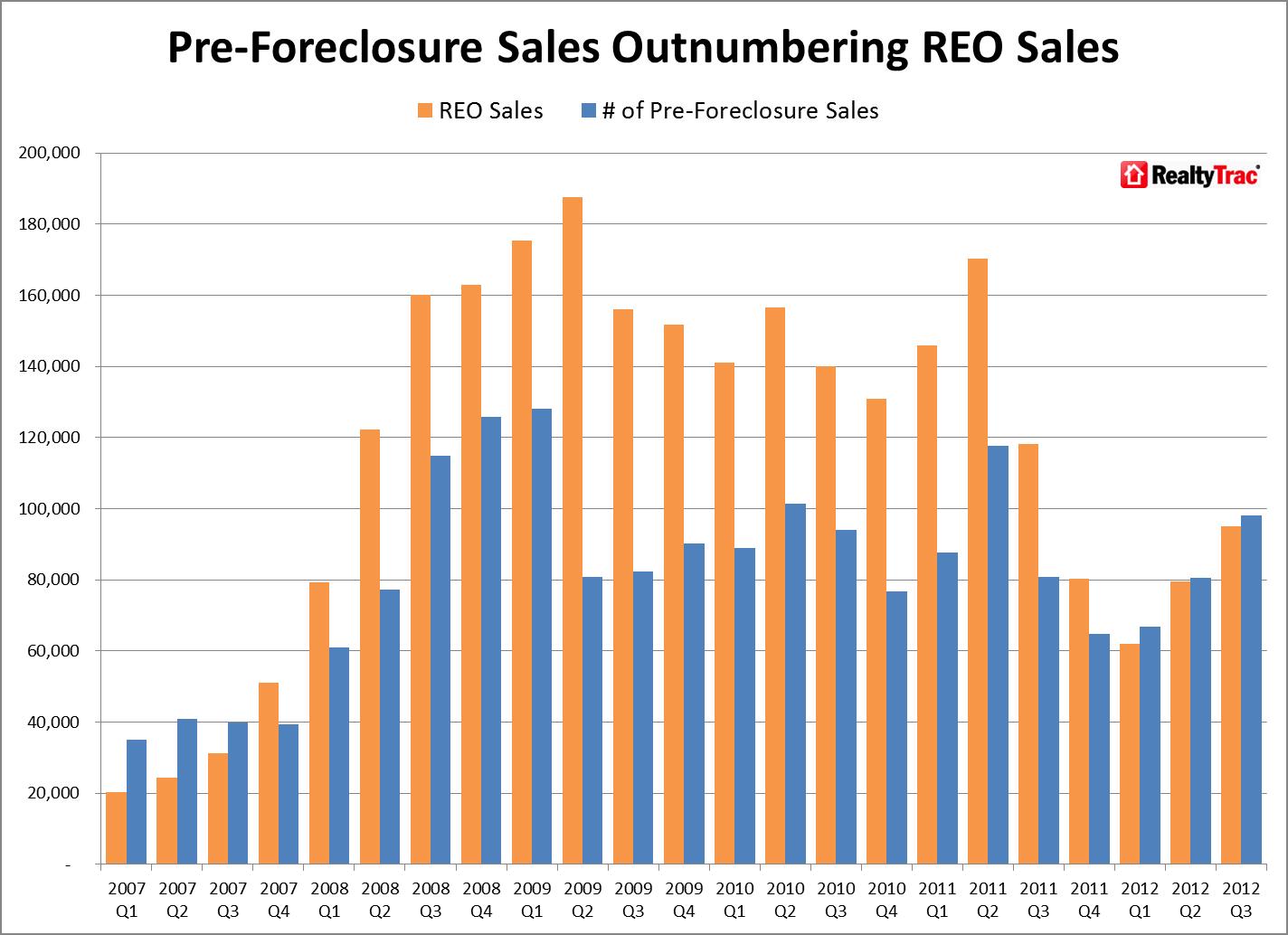
| Falling Incomes, High Unemployment, Rising Taxes and Tight Credit = Housing Recovery? Posted: 10 Dec 2012 09:00 AM PST
Jonathan Miller shows us the above chart (via RealtyTrak) and ask the question: How does flat to falling incomes, high unemployment, rising taxes and tight credit = housing recovery? The short answer is a combination of record low mortgage rates and held back distressed activity. Following a weak 2011, year-over-year comparisons also look good. The combination goosed housing sales and prices. The question for the housing bulls is, can it continue? The answer, at least from this (personally long) housing bear is low rates in 2013 will confront rising foreclosure sales. That battle — plus the state of the consumer as outlined by Jonathan — will determine whether this year’s improvement in housing will continue next year.
Additional bullet points after the jump
Source: |
| Posted: 10 Dec 2012 06:53 AM PST My morning reads:
What are you reading?
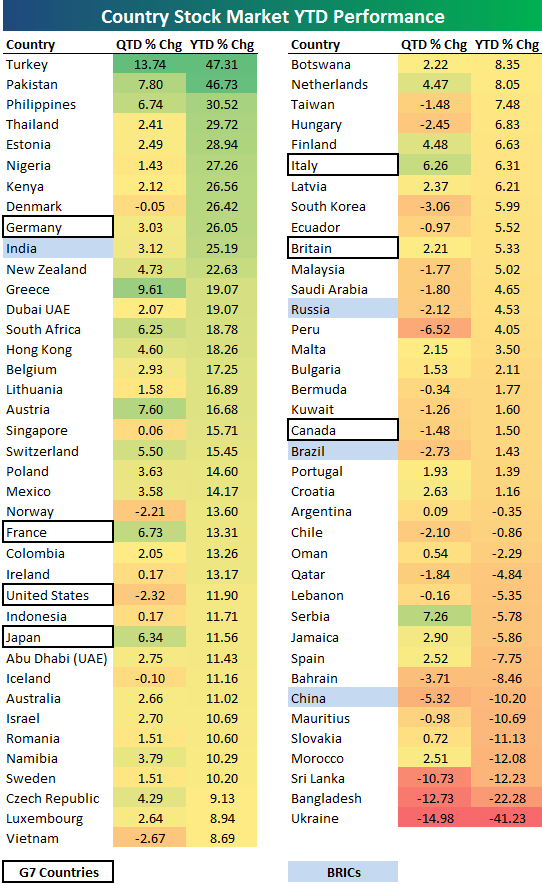
2012 YTD Country Returns |
| Posted: 10 Dec 2012 06:35 AM PST Japanese Q3 GDP declined by -0.9% Q/Q, or an annualised -3.5%, higher than the -3.3% expected, which given the downwardly revised -0.1% Q/Q in Q2 (+0.1% previously), means that Japan is in a technical recession for the 5th time in 15 years. The data will hurt the chances of the present PM, Mr Noda in the forthcoming general election, though improve the prospects of Mr Abe, the head of the LDP, whose coalition is expected to gain an absolute majority in the lower house. Mr Abe called for more stimulus measures and BoJ easing following the release of the GDP data today; The Philippines foreign minister stated that his country would strongly support Japan if it were to abandon its foreign non military intervention policy, established after World War 11. His statement is in response to a more assertive Chinese foreign policy, in particular in respect of China’s territorial claims over the vast majority of the South China Seas. At present, the Japan constitution prohibits Japan’s self-defence forces from intervening outside the country. A change in this policy would make a material difference in the region, given Japan’s self-defence forces, including its Navy, is militarily significant. Furthermore, the presumptive next Japanese PM, Mr Abe, has proposed a more nationalistic policy in response to China’s claims of the vast majority of the South China Seas, a policy which has resonated with some 80% of the Japanese public, according to local press. Japan and the Philippines recently signed a 5 year military cooperation agreement. I remain deeply concerned over the territorial disputes in the South China Seas, in spite of remarkable market indifference; Chinese November industrial output rose by +10.1% Y/Y, up from +9.6% Y/Y in October and better than the +9.8% expected. November retail sales rose by +14.9% Y/Y, up from +14.5% in October and +14.6% expected. YTD, retail sales rose by +14.2%, slightly higher than the +14.1% expected. CPI came in at +2.0% Y/Y, up from a 33 month low of +1.7% in October and +2.1% expected, though well below the governments target of +4.0%. However, inflation is expected to rise in 2013. PPI came in negative, at -2.2% Y/Y, better than the -2.8% decline in October Y/Y. The forecast was for PPI to come in at -2.0% Y/Y. Fixed asset investment (ex rural) rose to +20.7% in November YTD, in line with October YTD and slightly below the +20.9% expected Sales of new homes increased by +9.1%, in the year to November, up +3.5 percentage points M/M, resulting in an increase in real estate investment of +16.7% YTD, up from +15.4% YTD in October. The residential property market has been showing increased signs of improving in recent months, a trend which is expected to continue – materially positive for Chinese markets; Chinese exports rose by just +2.9% Y/Y, much lower than the +9.0% expected and +11.6% in October. Imports were flat Y/Y, as opposed to a rise of +2.0% expected and +2.4% in October. The November trade surplus came in at US$19.63bn, the lowest in 5 months, as opposed to US$26.85bn expected and the revised US$32.05bn in October. Exports to the EU declined by a whopping -18%, the 6th consecutive monthly decline. A group set up by the PBoC reports that Chinese unemployment exceeded 8.0%, double the previously reported number, though that number has not been changed for years and was considered meaningless; “Wealth” management products are increasingly being sold in China, though financial intermediaries, including banks. They offer a higher interest rate than otherwise available from banks. It is estimated that some Yuan 6tr of such products have been sold at the end of June 2012, up from Yuan 1.7tr in 2009. Investors assume that these products have been “guaranteed” by the banks selling the products, which is not the case. To date, the default on such products has been minimal to non existent – however, in some cases, new products have been sold to repay maturing products. Inevitably, a (large?) percentage of such products will fail in due course. This issue will prove to be a major negative issue for Chinese authorities in due course (Source Caixin); Greece has extended the deadline for its bond buying programme till tomorrow. Apparently, the government has received offers from some E26.5bn nominal of bonds priced at 33.4%, somewhat lower than the E30bn required. However, Greek banks are expected to make up the difference and the bond buy back should be successful; Mr Monti has announced that he intends to resign as PM once the 2013 Budget law is passed, which should pass before the Christmas recess. Mr Monti had previously announced that he would not run for PM, though would be prepared to accept the role if there was no clear winner in an election. The Monti announcement could mean that a general election in Italy will be held earlier in Q1 2013, possibly in February, rather than in March/April as previously believed – its the decision of the Italian President, Mr Napolitano. The announcement followed Mr Berlusconi statement that he intended to run for PM. Mr Berlusconi’s party the PDL, who had withdrawn support from Mr Monti (though had not voted to bring him down), is unlikely to win in a general election. Italian Press suggest that Mr Berlusconi’s motivations are mainly to protect himself from a number of criminal charges. The centre-left party, the PD is expected to gain the largest vote in a general election (the PD is currently some 20 points ahead of Mr Belusconi’s party), though is likely to need partners to form a coalition to secure a majority, based on current polling data. The head of the PD, Mr Bersani, will seek the role of PM, if he win. However, if he does not achieve a majority with coalition partners, Mr Monti may yet emerge as PM. Some 30% of the Italian electorate is undecided, according to the most recent polls. The political uncertainty will undermine the euro zone and the Euro. Italian markets have been materially weaker in recent days and bond yields have risen (as is the case with Spanish yields) – the 10 year is up 36 bps today yielding 4.86%, whilst equivalent German yields have been declining (currently 1.27%) – this trend should continue. Mr Monti’s resignation could prove to be another headache for Mrs Merkel (more problems within the EZ are likely), who wanted some calm in the EZ, ahead of her own general elections in September next year; Italian October seasonally adjusted industrial production declined by -1.1% M/M, much worse than the -0.3% expected and the upwardly revised -1.3% in September; German October trade surplus amounted to US$15.8bn, higher than the US$15.5bn expected and US$16.9bn in September. Exports were +0.3% higher M/M, in line with expectations, with imports up +2.5% M/M, much higher than the +0.4% expected. Exports to non EU countries offset weaker demand from EU countries; French October industrial production declined by -0.7% M/M, much worse than the +0.2% expected, though better than the -2.7% in September. Y/Y, industrial production is down -3.6%, worse than the -2.3% expected and -2.5% in September. French October manufacturing production came in at -0.9% M/M, much lower than the -0.1% expected and the downwardly revised -3.4% in September. Y/Y, manufacturing production declined by -4.0%, as opposed to -2.4% expected and the downwardly revised -2.6% in September. France remains a huge problem in the EZ, though given the issues in Greece, Italy and Spain, the market, for the moment, has ignored their problems – its only a matter of time, before the market will focus on France and then……… The Bank of France announced that Q4 GDP will decline by -0.1% M/M French manufacturing business confidence declined to 91, from 92 previously; There are increasing signs that members of the Republican Party will concede and agree to increasing taxes, though may well concentrate their opposition in respect of increasing the debt ceiling, which is likely to favour the Republicans politically. I continue to be positive of US markets. House speaker, Mr Boehner met with President Obama over the weekend; Outlook Asian markets closed mixed, though China closed +1.1% higher (to a 4 week high) on much higher volume (+86%, according to Bloomberg) than the average over the last 30 days. The output data was positive, though exports were much weaker. Importantly, capital inflows surged in November for the 1st time in a long while, which suggests that the market is set to rally further. Equally importantly, residential property sales are increasing as the weekends data revealed. I remain positive on China, for the moment and have played it by going long the major miners. European markets are weaker, with Italy -3.3% lower, with the financials down well over 5.0%. 10 year Italian bond yields are up 36 bps and are currently yielding 4.87%. Spain is also weaker – their markets are -1.7% lower and bond yields up 17 bps, with the 10 year yielding 5.60%. The political uncertainty will weigh on Italy over coming months, though with 10 year Italian bonds yielding 4.86%, Italian BTP’s could be interesting in due course – too early, at present, given the Machiavellian nature of Italian politics. The focus on Italy removes Spain from the spotlight, though it is inevitable that the country will require assistance, sooner rather than later – the Spanish PM continues to dither. US futures suggest a lower open. Not much economic data releases today. The Euro is weaker – currently trading at US$1.2913, having been below US$1.29 this morning. The Yen is trading at Yen 82.18 against the US$, having recovered somewhat – surprising given the GDP data and Mr Abe’s comments. The A$ is stronger on the Chinese data and is currently trading at US$1.0486. The A$ has been resilient and foreign Central Banks (Russia, Swiss and probably Chinese) have been buyers. However, the Australian economy is showing some softness, the balanced budget plan looks as it will be abandoned and the RBA is likely to cut rates further in Q1 2013, which suggests that the A$ will weaken. The FED decision on Wednesday is expected to, in effect, extend/increase QE this week. Gold is higher given the uncertainties and is trading around US$1713, with January Brent up at US$108. Used today’s weakness to increase my holdings of the miners and German industrial companies. Kiron Sarkar 10th December 2012
|
| Political dysfunction in Italy is common/China/DC Posted: 10 Dec 2012 05:59 AM PST If there is one certainty in Italian politics, it’s uncertainty. As the US has had just 12 President’s since WWII, Italy has had 26 different PM’s. The difference now though of course is the fragile state of the country’s finances where consistent policy is most desired. With the Monti resignation announcement which will take place after the 2013 budget is finalized, 5 yr Italian CDS is wider by 40 bps to 300, a 3 week high and bonds are down sharply. The MIB index is lower for a 4th day and 5.6% during this time frame. The euro, while near a 2 1/2 week low vs the US$ on a closing basis, is only down modestly. Data wise in the region, Italy and France reported weaker than expected IP #’s after Germany, UK and the Netherlands did on Friday. German exports and imports though were better than expected in Nov. With Greece’s debt buyback, they are extending the tender deadline to tomorrow but signs so far point to success in terms of total amount of bonds sold back. The main offset to the markets Italian concerns this morning is the mostly better than expected Chinese economic data over the weekend. Retail sales and IP rose the most since March and CPI, while at 2% up from 1.7%, was a touch below estimates. Fixed asset investment ytd was in line, up 20.7% y/o/y. Trade though in Nov was weaker than forecasted as both exports and imports missed expectations. Overall, the data was taken positively as the Shanghai index rose to a 4 1/2 week high. On the fiscal discussions in DC, the Sunday morning talk shows didn’t reveal too much. More Republicans are throwing in the towel on tax increases but on the condition of stricter spending restraint where the two sides are still far apart. The market bottom line, commodities are trading up on the China news but the S&P’s lower are more focused on Europe and little new news from DC. |
| Posted: 10 Dec 2012 05:30 AM PST |
| Strandbeesten: Wind Walking BioMechanics Posted: 10 Dec 2012 05:00 AM PST STRANDBEESTEN
STRANDBEESTEN_TRAILER from Alexander Schlichter on Vimeo. This is the beginning of my documentary “Strandbeesten”. Strandbeesten is a portrait of the artist Theo Jansen. Jansen is occupied with the making of a new nature. Not pollen or seeds but plastic yellow tubes are used as the basic material of this new nature. He makes skeletons which are able to walk on the wind.
STRANDBEESTEN from Alexander Schlichter on Vimeo. Part II Animaris Umerus – Part 2 from Alexander Schlichter on Vimeo. The film take part in the documentary section at CAMERIMAGE 2008, International Filmfestival in Lodz, Poland. More information you find at: STRANDBEESTEN |
| Defining Risk Versus Uncertainty Posted: 10 Dec 2012 04:05 AM PST Longtime readers will recall that I find the Uncertainty meme to be mostly silly (see this and this). The foolishness continues to come up amongst allegedly serious people. I find many of these folks (mostly) devoid of original thought, choosing instead to repeat things pundits of questionably insight have previously said (PoQI™ is a registered trademark of TBP). I mention this because Michael Mauboussin, who is an orginal thinker with outstanding insight, discussed this very subject not too long ago. On Bloomberg TV, he had broad discussion of skill and luck in sports, business and investing. Almost as an aside, Mauboussin’s made some extremely insightful commentary about “What is Risk,” and how that compares to our peeve, “What is Uncertainty.” He nailed the distinction in a way I found simply fascinating. Consider the distinctions Mauboussin makes:
In other words, his view is that the future is always unknown — but that does not make it “uncertain.” Rather, he takes the analysis a step further, quantifying this in the language of statistical probability. A statistical approach perfectly clarifies the falsity of the uncertainty meme. When we don’t know what any future outcome will be, but we understand the probability distribution — think of dice or a multiple choice exam — we have risk, but we do NOT have uncertainty. We never know what the roll of the dice will be, but we do know its one of six choices. Is that uncertainty? The answer is of course not — it is an unknown outcome with well-defined possibilities. We may not know precisely which outcome will occur in advance, but we do know its either 1, 2,3, 4, 5 or 6. Call that risk or an unknown future, but do not call that uncertainty. I am pushing against a usage that conflates “Uncertainty” with”Unknown.” Since the future is, by definition, always "unknown," then what purpose does it serve to say there is Uncertainty? By that definition, there is always uncertainty. As currently heard in the MSM, this renders the word utterly meaningless. Consider alternatively what is the true definition of Uncertainty: That occurs when we have no idea of what the possible outcome might be. The probability distribution is unknown (or so extremely large as to functionally be the same as unknown). The so-called fiscal cliff is a perfect example — we know what the possible outcomes are, and we have a very good idea what their impact will be. Hopefully clarifies the silly meme that seems to conflate “Uncertainty” and “Unknown” as the same things…
Previously: There's nothing new about uncertainty (Washington Post, July 7 2012) Mauboussin on 'The Success Equation' (November 20th, 2012) |
| Apple’s Tim Cook Reimagines Television Posted: 10 Dec 2012 03:53 AM PST Apple CEO Tim Cook talks about the death of company founder Steve Jobs and navigating the future of the company. Cook discusses the company's operations in China, bringing jobs back to the United States and hints at Apple's role in re-imagining TV. Rock Center Anchor and Managing Editor Brian Williams reports. Part I Part II |
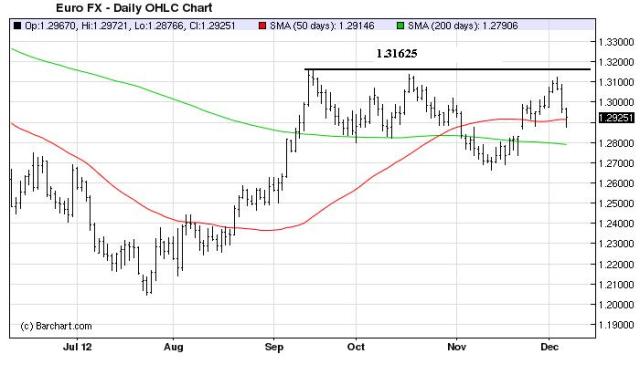
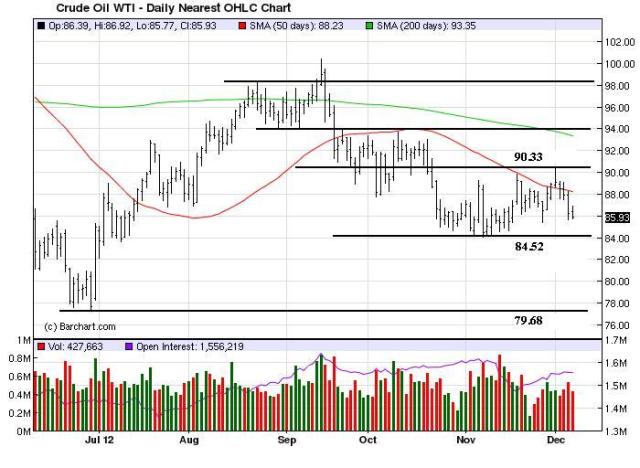
| Posted: 10 Dec 2012 02:00 AM PST We take a look of some of the more interesting charts in the various assets, indicies, and commodities we cover. Apple
Lots more charts after the jump
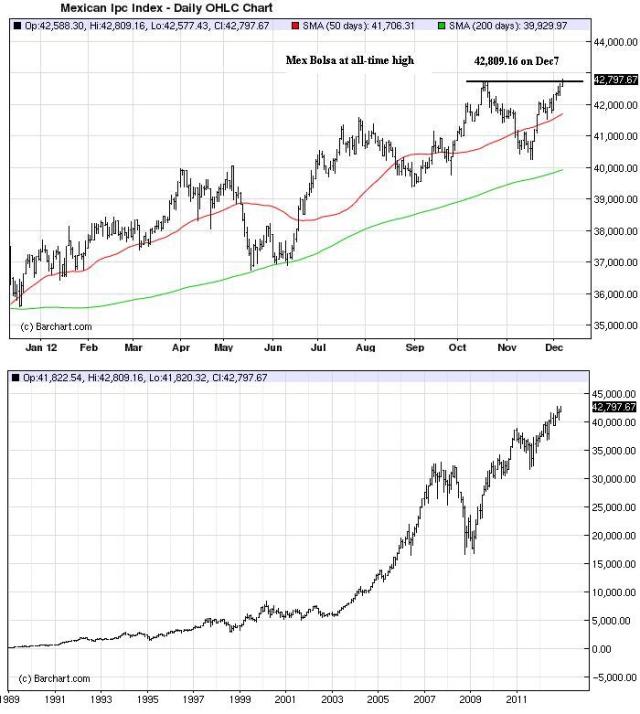
Mexican Bolsa
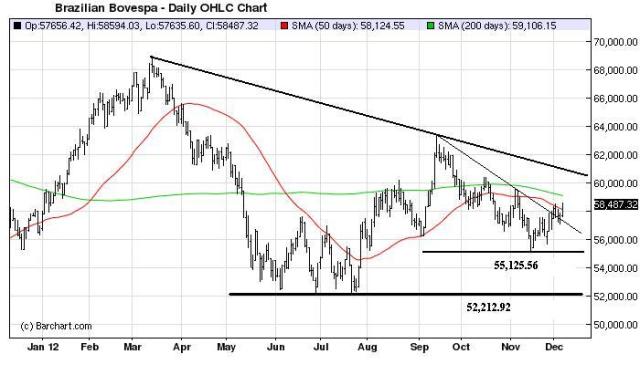
Brazil Bovespa
India's Sensex
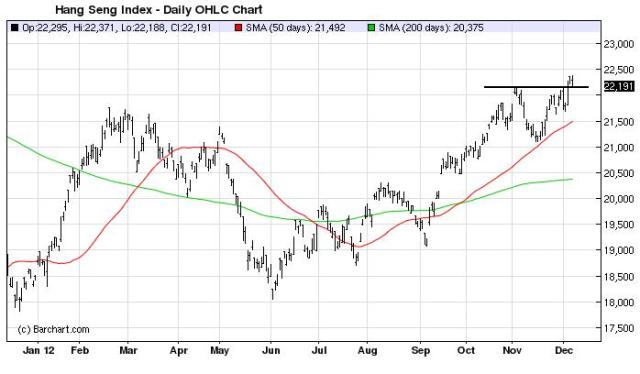
Hang Seng
Shanghai Composite
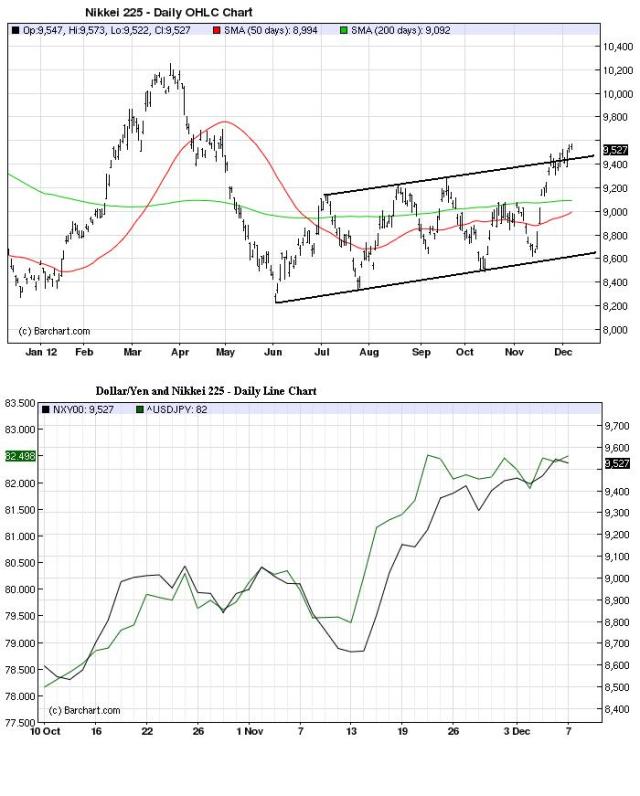
Japan's Nikkei
Australia's All Ords
U.K.'s FTSE
Euro
Yen
Crude Oil
Copper
Gold
Wheat
|








| You are subscribed to email updates from The Big Picture To stop receiving these emails, you may unsubscribe now. | Email delivery powered by Google |
| Google Inc., 20 West Kinzie, Chicago IL USA 60610 | |



0 comments:
Post a Comment